Nasal tip surgery, known as 코 끝 성형 in Korean, is a cosmetic procedure aimed at reshaping the tip of the nose to enhance its appearance. This process can be both cosmetic and functional, offering aesthetic improvements while sometimes addressing breathing issues. It is crucial for potential candidates to understand the procedure, risks, recovery, and outcomes to make informed decisions.
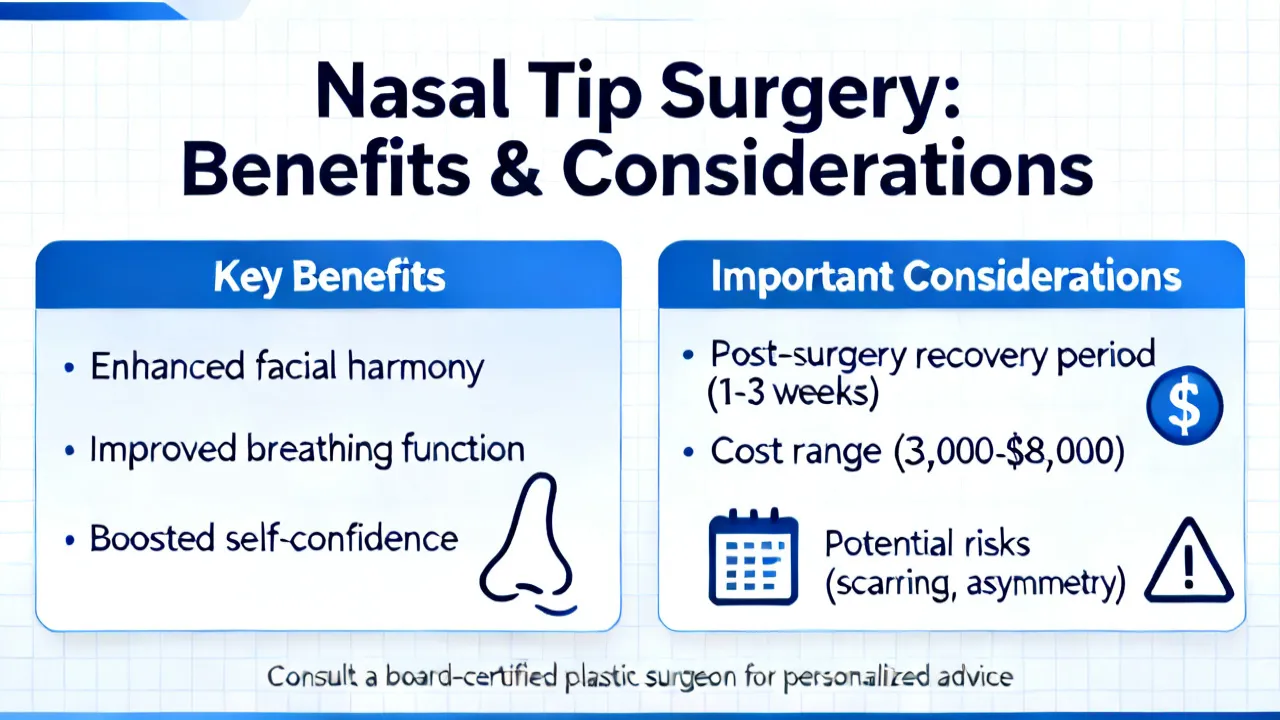
Nasal tip surgery, known in Korean as 코 끝 성형, focuses on reshaping the distal third of the nose. This specialized form of rhinoplasty caters to patients seeking aesthetic enhancement or the resolution of specific functional disorders. Successful 코 끝 성형 can considerably affect one's facial harmony, self-esteem, and even breathing capabilities in certain cases. The nose is a centrally positioned facial feature, and its shape can greatly influence one’s overall appearance. A well-defined nasal tip can enhance one's features, contribute to symmetry, and importantly, improve confidence levels.
The importance of the nasal tip in relation to facial aesthetics cannot be overstated. It plays a significant role in how facial proportions are perceived. Discrepancies in nasal tip shape can lead to psychological impacts, affecting personal relationships and social interactions. Therefore, understanding the nuances of this surgical procedure is essential for any individual contemplating a transformation in their appearance.
Candidates considering 코 끝 성형 should be aware of the diverse methods employed in this type of surgery. Surgeons typically use techniques such as cartilage grafting, suture reshaping, and modifying nasal tip ligaments to achieve the desired result. These procedures can vary significantly based on the individual's anatomical structure and specific goals. Each person has unique needs based on their bone structure, skin type, and cartilage composition, thus making a personalized surgical plan indispensable.
1. **Cartilage Grafting:** This technique is commonly used when the nasal tip needs more definition or projection. Cartilage may be harvested from the septum, ear, or rib to provide the desired contour and support. The choice of graft site depends on the extent of the modification needed and the surgeon's assessment of the best available material. In cases where a patient’s existing cartilage is insufficient, this method ensures the nose not only looks good but functions optimally as well.
2. **Suture Reshaping:** This is a less invasive method where the nasal tip's shape and position are altered by using sutures instead of permanent grafts. This technique focuses on realigning existing tissues to achieve the desired aesthetic without extensive manipulation. It can be particularly advantageous for patients looking for subtle changes.
3. **Nasal Tip Ligament Modification:** Ligaments and connective tissue play a critical role in the nasal structure. By modifying these, surgeons can effectively reshape the nose without excessive resection of tissue, offering a more natural look post-surgery. Adjusting the nasal ligaments can also enhance the movement of the nasal tip while maintaining function.
Each procedure comes with its unique set of benefits and considerations. A thorough consultation with a qualified surgeon is essential to determine which techniques are most appropriate for an individual's conditions and goals. Surgeons often utilize 3D imaging technologies to help patients visualize potential outcomes and assist in understanding the changes that will occur.
Before undertaking 코 끝 성형, individuals should evaluate their motivations, expected outcomes, and the potential risks involved. It’s crucial not only to focus on aesthetics but also to consider how changes might affect functional aspects of breathing. Important factors include the surgeon's expertise, previous patient experiences, and recovery time.
A key consideration is the surgeon’s experience and skill. Prospective patients should research board-certified plastic surgeons who specialize in cosmetic nose surgery. Many surgeons provide before-and-after photos of past patients, which can serve as a valuable tool for gauging the surgeon's capabilities and style.
Another vital aspect is understanding one’s own expectations. Patients should delineate what they believe could be improved while also staying realistic about potential outcomes. Discussing these expectations during the initial consultation can aid surgeons in setting achievable goals and informing patients about the limitations of the procedure.
Additionally, it is essential to consider the recovery process. Depending on the techniques used, recovery may vary significantly from patient to patient. Patients who undergo more extensive procedures may expect a longer healing period and more noticeable swelling. Patients should ensure they are ready for the downtime required and have support during their initial recovery phase.
Furthermore, being well-informed about potential complications such as infection, scarring, or nasal asymmetry is vital. While many complications are rare and preventable, being prepared and educated can help ease concerns and prepare patients for any eventual outcome. It may also help to engage with previous patients to gain insight into their experiences, which can further aid in making informed decisions.
The recovery phase following 코 끝 성형 is critical for optimal results. Patients generally experience swelling and bruising, which subside over a few weeks. It is normal for more pronounced swelling to occur one week post-surgery before gradual improvement begins. Adhering to the surgeon’s postoperative care guidelines is crucial to avoid complications and promote smooth healing.
Post-surgery care can include using cold packs to manage swelling and avoiding activities that may strain the nasal area, such as vigorous exercise, for at least a few weeks. Patients are often advised to sleep with their heads elevated and to steer clear of blowing their noses for a set period to avoid unnecessary pressure.
Regular follow-up visits are recommended to monitor progress and address any concerns that may arise. This includes evaluating the healing of the incisions, monitoring swelling, and ensuring that the nasal architecture is aligning as planned. During these visits, the surgeon will assess the overall healing and adjust any postoperative advice as needed.
Patients should be aware that while the initial results may be apparent soon after surgery, it may take up to a year for the final outcome to settle as the nasal tissues continue to heal and adapt. Being patient during this time is essential, as the end results will reflect the collective healing process. Keeping in touch with the surgeon throughout this period can also enhance patient satisfaction, as open communication allows for prompt responses to any uncertainties or issues.
| Aspect | Considerations |
|---|---|
| Techniques Used | Cartilage grafting, suture reshaping, nasal tip ligament modification |
| Key Considerations | Surgeon's expertise, patient's anatomical structure, recovery expectations |
| Recovery Time | Typically several weeks with gradual reduction of swelling and bruising |
| Postoperative Care | Cold compresses, elevation during sleep, avoidance of strenuous activities |
| Follow-Up | Regular visits to monitor healing and address concerns, ensuring satisfactory outcomes |
Understanding 코 끝 성형, its techniques, and considerations are crucial for making an informed decision. Potential patients should consult with board-certified surgeons, engage in comprehensive discussions about their aesthetic desires, and understand both the procedure and recovery requirements. By doing so, individuals can achieve facial harmony and improved self-confidence, ensuring satisfaction with their enhanced appearance.
In summary, 코 끝 성형 serves not only as a cosmetic procedure but also as a personal journey towards self-improvement and confidence enhancement. The decision to undergo this surgery should be made with careful consideration, ensuring that it aligns with one’s personal goals and overall health. Engaging with medical professionals and gathering extensive knowledge about the process can empower individuals to navigate their choices confidently.
Furthermore, potential patients should recognize that a successful outcome heavily relies on the surgeon's technical skills, experience, and the suitability of the chosen technique for the patient’s specific anatomy. Therefore, meticulous research and consultations are non-negotiable steps in this transformative journey. Ultimately, the end goal of achieving a refined nasal tip, while also enhancing one’s self-image, is not just a personal victory but a significant enhancement to overall well-being and happiness.




지방분해주사, known for its role in fat reduction, is a procedure that targets localized fat deposits through injection. It has gained popularity for its minimally invasive nature and effectiveness in contouring the body. In this article, we explore the mechanisms, benefits, and considerations of 지방분해주사, offering a detailed insight into this trend in cosmetic treatments.
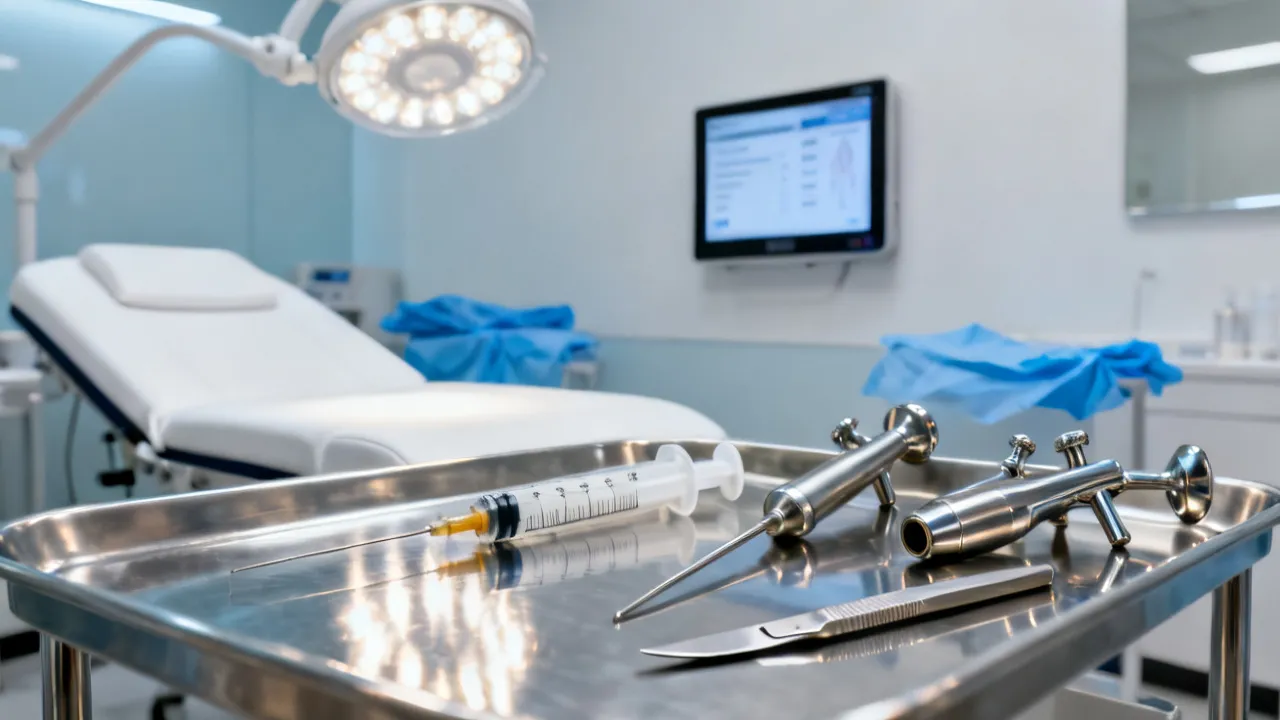
This guide explores the various factors influencing 지방흡입술 가격 or liposuction prices. As body contouring gains popularity, it's important to understand the economic implications of such procedures. Regional differences and various methods can affect pricing, which underscores the necessity for potential patients to be well-informed. This article serves as a comprehensive resource for those considering this form of cosmetic surgery.
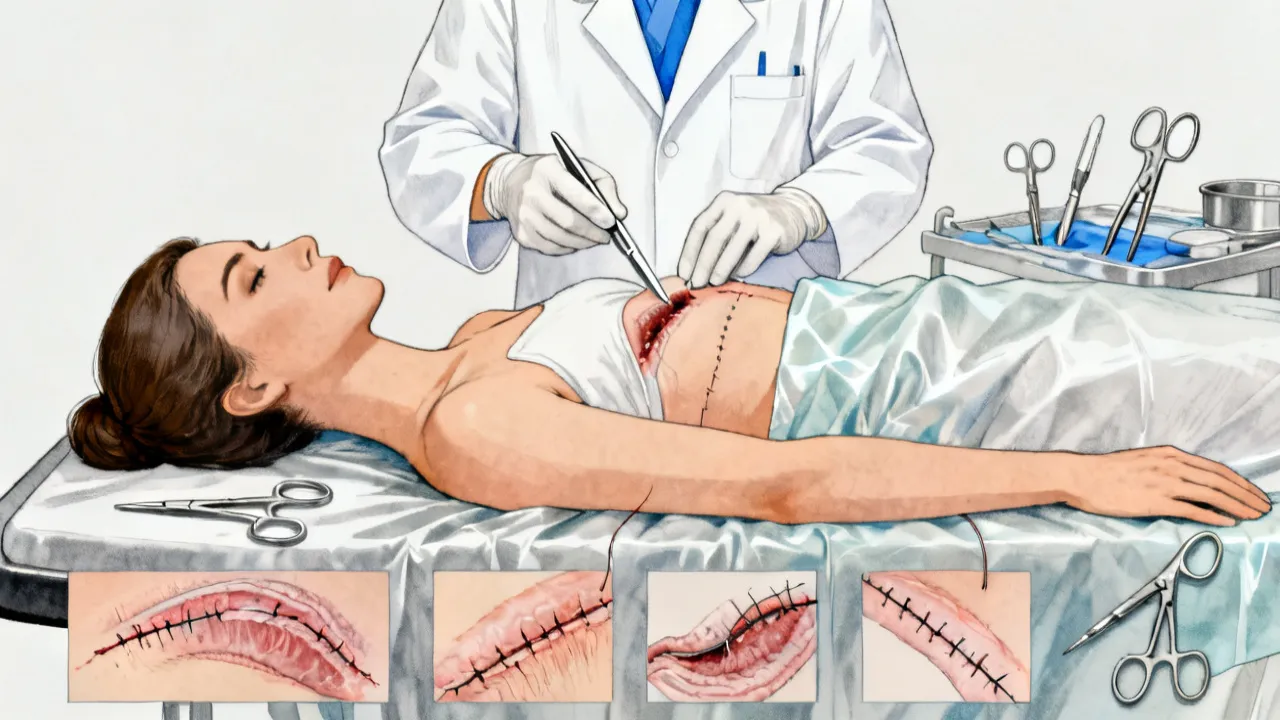
지방흡입, commonly known as liposuction, is a surgical procedure aimed at removing excess fat deposits and reshaping specific areas of the body. This guide explores the intricacies, benefits, and considerations of 지방흡입, highlighting its impact on aesthetic enhancement. Through expert insights, we aim to provide an objective analysis for those contemplating this transformative procedure.

Liposuction, known as 지방흡입 in Korean, is a cosmetic surgery designed to remove excess fat from targeted areas of the body, enhancing contour and aesthetics. Its popularity has been rising globally due to advances in technology and techniques, providing safer and more efficient outcomes. This article delves into the procedures, benefits, and considerations of liposuction, providing insight for those considering this transformative surgery.

지방흡입, or liposuction, is a cosmetic surgery procedure designed to remove excess fat from specific areas of the body. Popular worldwide, it aims to enhance body contours and is sought after for its effectiveness in reshaping one's appearance. This guide delves into the intricacies of 지방흡입, exploring techniques, expectations, and advancements in the field, providing valuable insights for potential candidates considering this procedure.
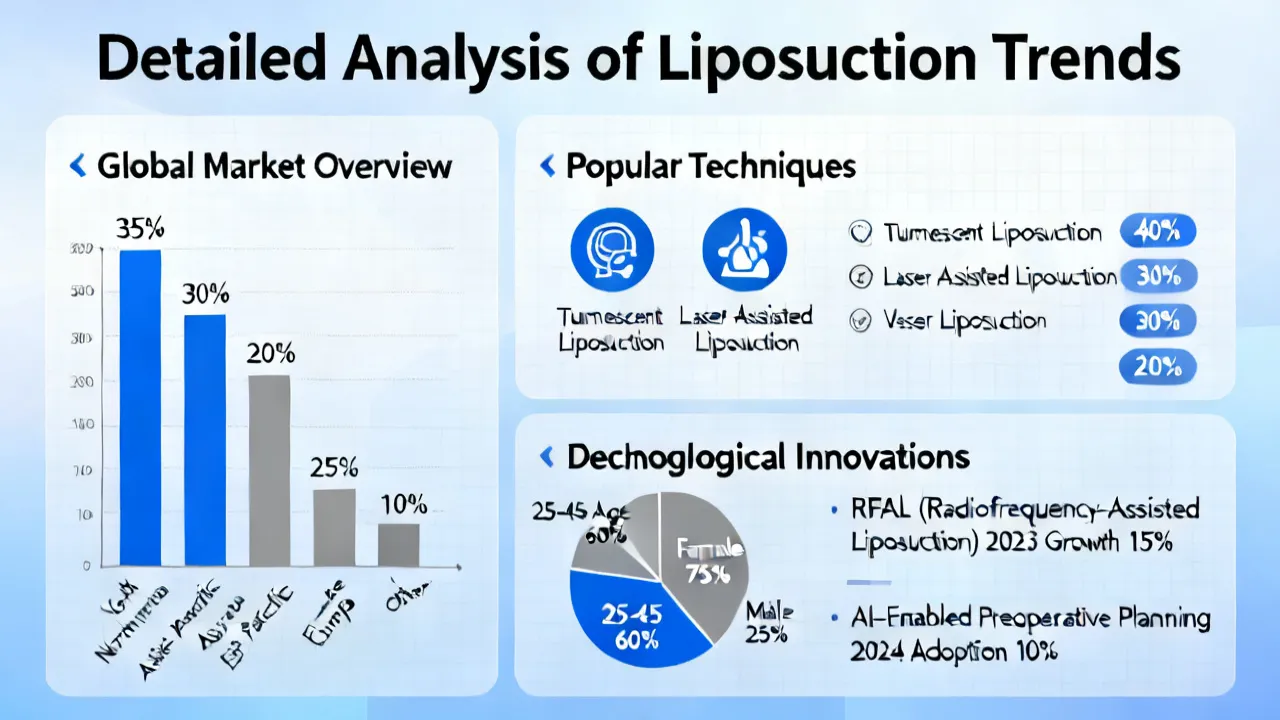
This comprehensive guide explores 지방흡입, commonly known as liposuction, a cosmetic procedure aimed at removing excess body fat to refine body contours. Liposuction has gained popularity over the years for its effectiveness in improving body aesthetic, but potential candidates should be aware of its benefits, limitations, and procedural nuances. This article delves into the intricacies of the procedure, industry insights, and frequently asked questions to equip readers with reliable knowledge.

